
The Majority Has Been the Afterthought
Here's a number that should reframe the entire conversation about plus-size fashion: 67% of American women wear a size 14 or above. They are not a niche market, a special category, or an edge case. They are and continue to be the majority.
For decades, the fashion industry's response to this majority was to treat plus sizes as an afterthought. A small extension of a standard-size line. Fewer styles, different price points, less design attention, and a shopping experience that consistently communicated the same message: you are not who we had in mind.
Universal Standard was built as a direct counter to that pattern, founded on the idea that size inclusivity should be table stakes. That a size 32 and a size 6 should have the exact same shopping experience, in pursuance of a world in which this is not revolutionary. This post is dedicated to what true size inclusivity actually requires; not as a marketing position to be abandoned in a year, but as a design and operational commitment, and how to tell the difference between brands that are doing the work and brands that are performing it.
What Size Inclusivity Is Not
The fashion industry has a pattern worth naming: extended sizing. This is the practice of adding a handful of larger sizes to an existing collection without changing the underlying design process. A brand adds sizes 1X through 3X to their existing catalog, calls it inclusive, and moves on.
The problem is structural. Patterns that are designed for a size 8 or 10 and mathematically scaled up do not account for how bodies change in proportion across sizes. A size 18 and a size 8 are not the same body at different scales. The shoulder projection, the hip-to-waist ratio, the rise, the sleeve length all require independent attention at different sizes. When brands skip that work, the result is clothes that technically come in larger sizes but don't actually fit larger bodies well, and thus don’t fit well, resulting in sub-par sales before the extended sizes get pulled from the shelves entirely. The plus size shopper then gets blamed for “lack of demand” rather than the retailer for phoning in the design.
When you're evaluating any brand's size inclusivity claims, here are the questions worth asking:
-
How long has the brand offered plus sizes? A brand that added a plus range in the last two years as a trend response is a very different thing from a brand that was built inclusive from the start.
-
How extensive is the range? There's a meaningful difference between offering up to a 2X and offering up to a size 40.
-
Are plus sizes available in every style, or only select ones?
-
Is there a price difference between plus sizes and straight sizes? A surcharge for larger sizes is not inclusivity — it's a tax.
-
Are plus-size garments fit-tested on plus-size bodies, or scaled from a standard sample?
These are not nitpicky questions. They are the difference between a brand that has made a real operational commitment and one that has made a marketing decision.

What Universal Standard Does Differently
Universal Standard was founded in 2015 by Polina Veksler and Alexandra Waldman. The brand started from a simple, radical premise: every style should be available in every size, from 00 to 40, at the same price, with the same quality.
That commitment has specific operational implications:
Every product. Every size. No exceptions.
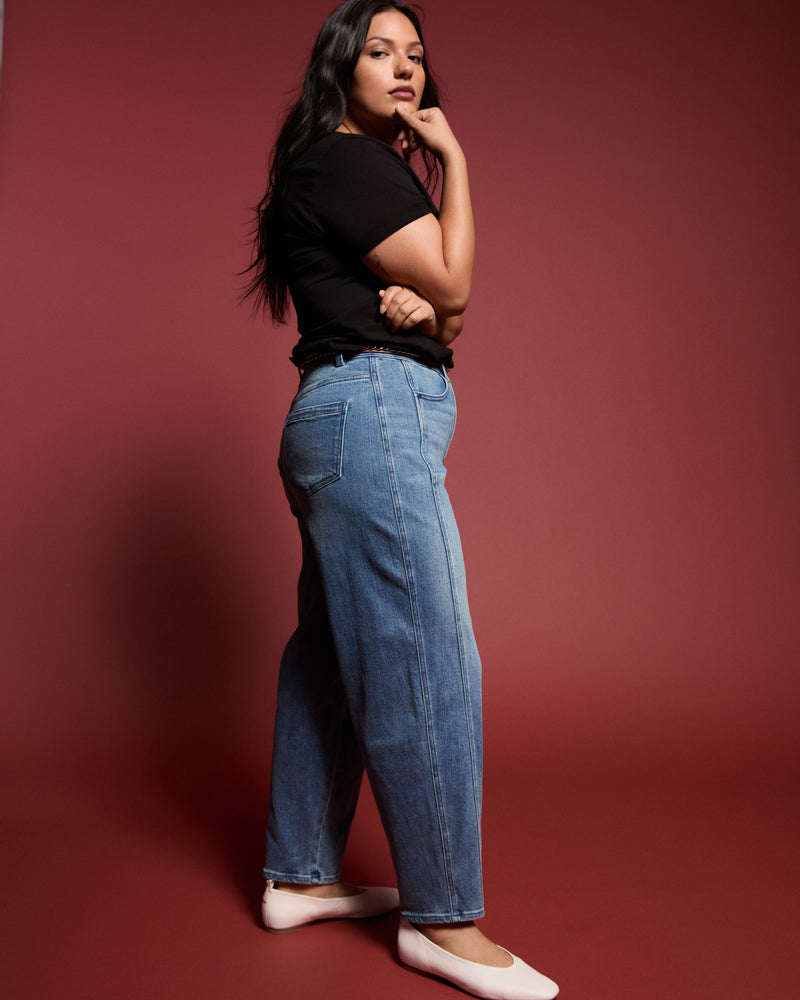
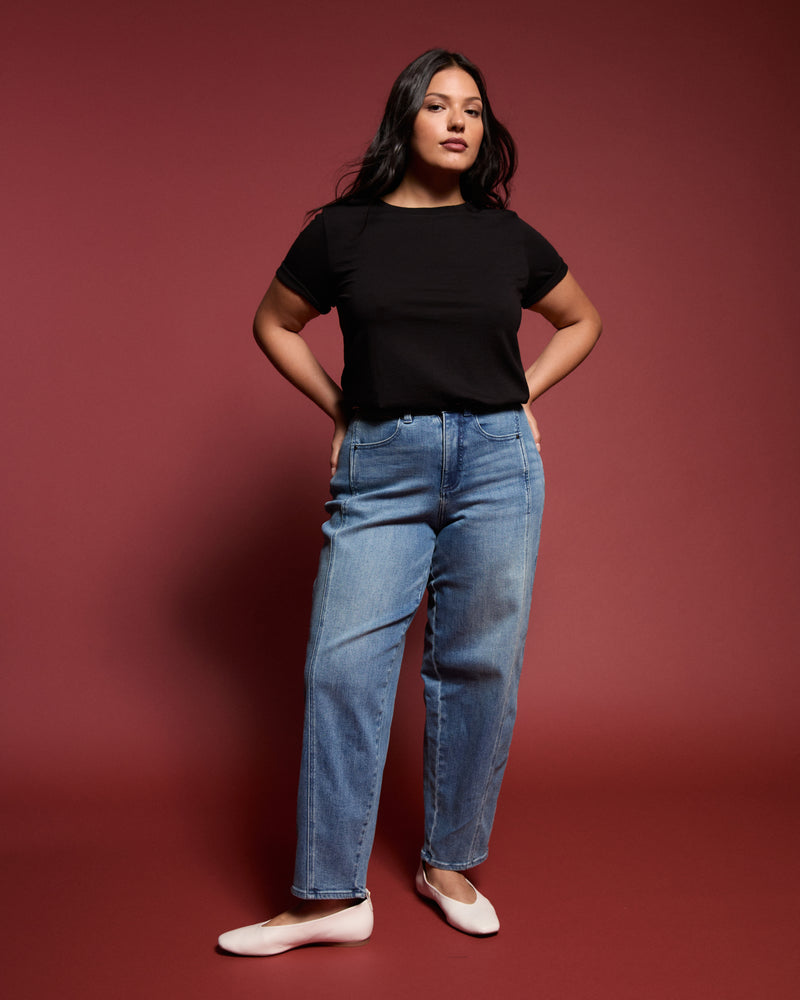
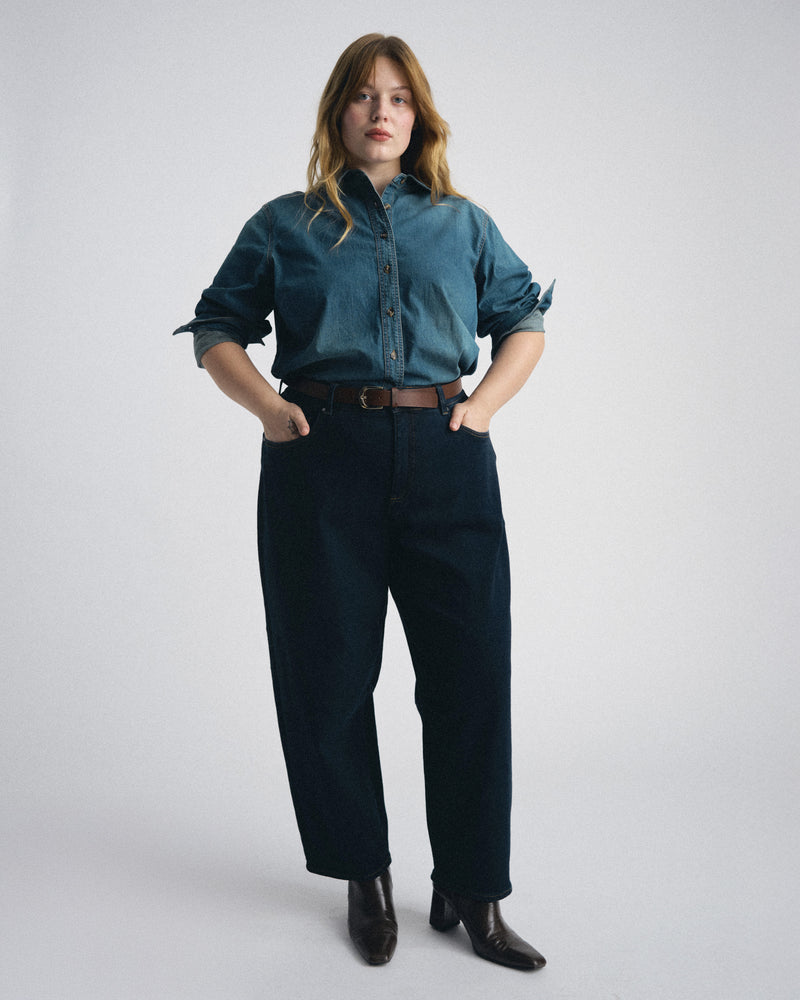
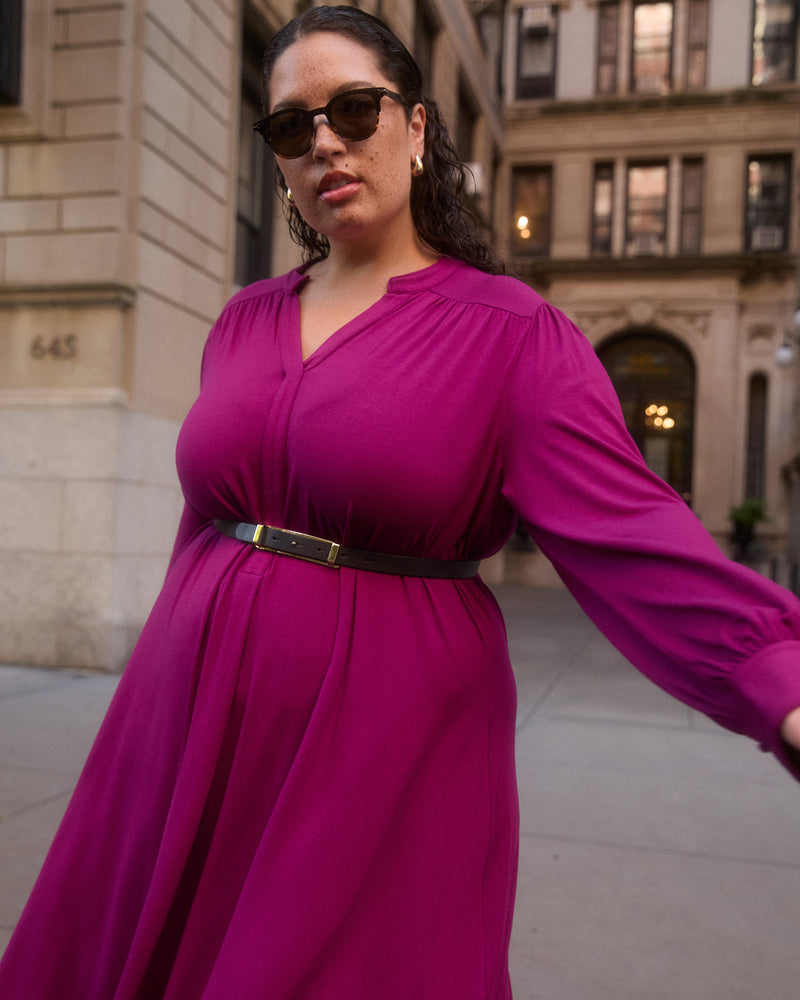
Universal Standard does not have a plus section. There is one collection, and it is available in sizes 00–40 across every style. A customer who wears a size 6 and a customer who wears a size 26 are shopping the same collection, with the same options.
Fit-testing across size, not mathematical scaling.
Universal Standard’s core garments are fit tested across its size range before they go on sale. Each evergreen silhouette is tested and perfected on bodies across the 00-40 range to assess fit, proportion, comfort and appearance. And we use those insights to inform the fit of our more seasonal pieces.This is not the industry norm. It's a significant investment of time and resources, and it's what actually produces clothes that fit.
No price surcharge for extended sizes.
A size 40 costs the same as a size 2 at Universal Standard. This should be the baseline for any brand that calls itself inclusive. The cost of producing extended sizes is a cost of doing business for an inclusive brand, not an extra fee to pass on to customers.
Fit notes and model photography for every product.
Universal Standard's See It In Your Size feature allows customers to view core products modeled on every size in the range, not just the straight sizes. When you're deciding whether to buy a blazer, you can see what it looks like on a body that resembles yours.
Premium fabrics across the range.
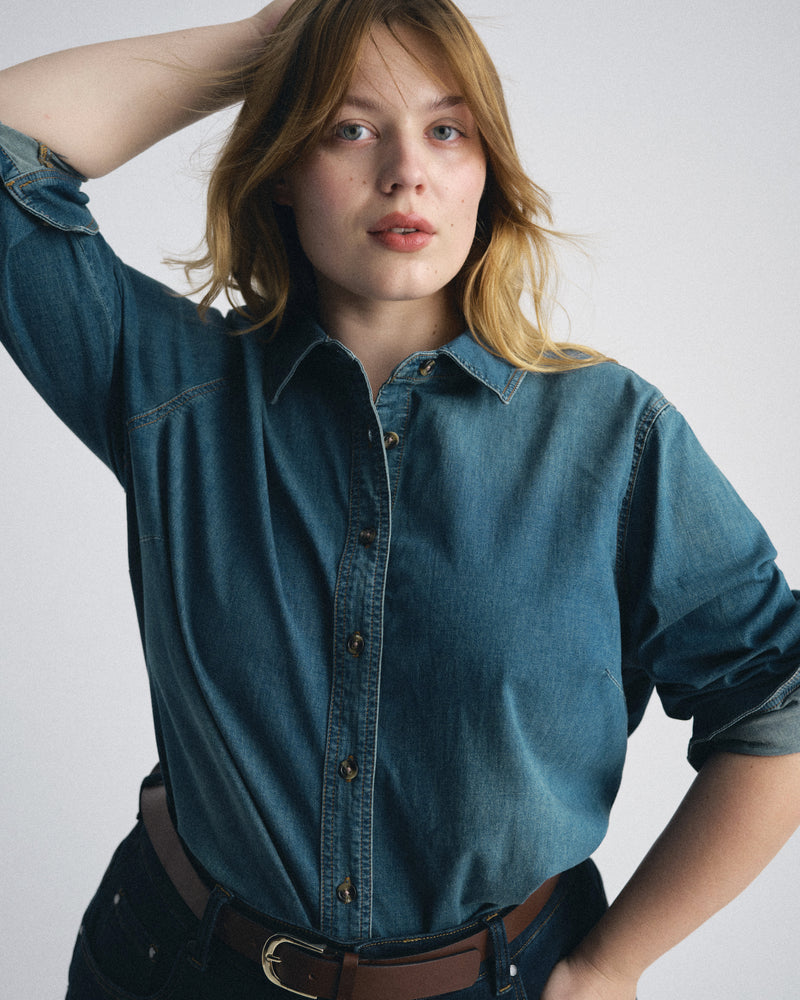
Universal Standard uses the same high quality fabric for every size in the range. Quality is not a straight-size feature.

Fit Liberty as Operational Commitment
Fit Liberty, Universal Standard's revolutionary size exchange program, is more than a customer benefit. It's an expression of the brand's core commitment in concrete, verifiable terms.
We are so confident in how our clothes fit across every size that we will exchange your size for free for a full year.
That's a structural guarantee. It means Universal Standard is willing to absorb the cost of a size exchange rather than ask a customer to absorb the financial loss of a size change. It means the brand has done enough fit work, across enough size points, to make that offer confidently.
Fit Liberty is available on 500+ styles across the collection in sizes 00–40. If your size changes within a year of purchase, you exchange the garment for a new one in your updated size at no cost. Full details are available at our Fit Liberty FAQ page.
What This Means for You, in Practical Terms
If you shop Universal Standard, here is what true size inclusivity looks like in your experience:
-
You shop the same collection as anyone else. There is no plus section.
-
Every style you see is available in your size.
-
You pay the same price regardless of what size you wear.
-
Your garment was fit-tested on a body in your size range before it went on sale.
-
If your size changes within a year of purchase, you can exchange your Fit Liberty eligible garments for a new size at no cost.
This is what it looks like when size inclusivity is a design commitment rather than a marketing position. It's slower, more expensive, and harder to scale than adding a few plus sizes to a standard catalog. It's also the only version of size inclusivity that actually works.
Frequently Asked Questions
Q: What sizes does Universal Standard carry?
A: Universal Standard offers sizes 00–40 across every style in the collection, the widest size range available from any fashion brand.
Q: Is every style available in all sizes?
A: Yes. Universal Standard's founding commitment is that every product in the collection is available in every size. There is no separate plus section.
Q: Does Universal Standard do fit testing for plus sizes specifically?
A: Our core, evergreen garments are fit-tested across our size range, including plus sizes, before it goes on sale. Universal Standard does not scale patterns up from a standard sample. Rather, engineers fit for every size independently.